 Kes Faucets









How To Get Rid Of Calcium Buildup On Faucet
浏览次数:410 分类:未分类
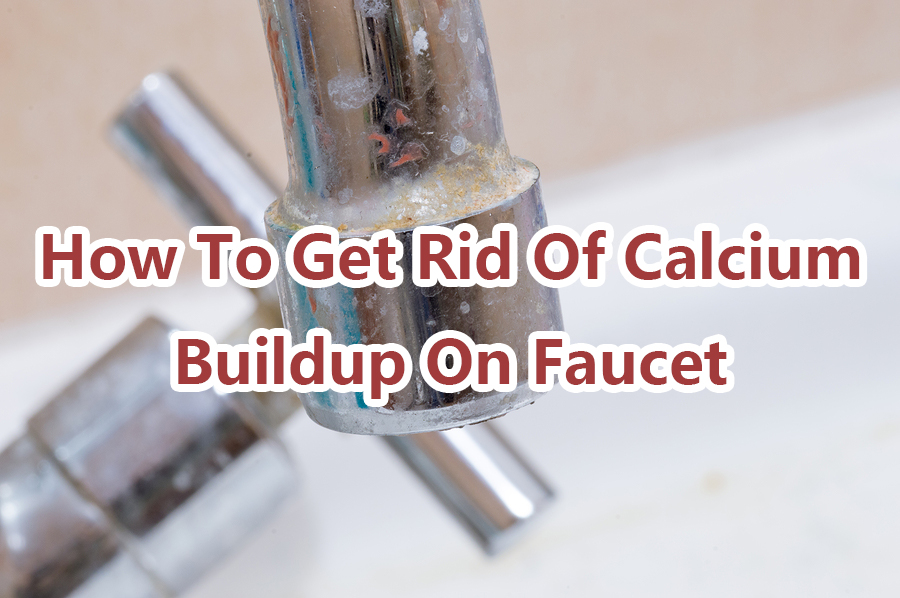
Calcium buildup on faucets is a common nuisance in many households. Hard water, which contains high levels of minerals like calcium and magnesium, can leave unsightly white or greenish deposits on your faucet over time. Not only does this detract from the appearance of your fixtures, but it can also affect water flow and lead to corrosion if left unchecked. Fortunately, there are several effective methods for removing calcium buildup and restoring your faucet to its sparkling best. In this guide, we’ll explore these techniques step by step, ensuring your faucet shines like new once again.
Understanding Calcium Buildup:
Before diving into the cleaning process, it’s essential to understand what causes calcium buildup on faucets. Hard water contains dissolved minerals that can precipitate out and form deposits when water evaporates, leaving behind a thin, chalky residue on surfaces. Over time, these deposits can accumulate on your faucet, creating stubborn stains that are challenging to remove with regular cleaning methods.
Materials You’ll Need:
- White vinegar
- Lemon juice
- Baking soda
- Soft toothbrush or scrub brush
- Microfiber cloth or sponge
- Plastic bag or cloth
Cleaning Methods:
- Vinegar Soak:
- Start by filling a plastic bag or cloth with white vinegar.
- Wrap the vinegar-soaked bag or cloth around the affected areas of your faucet, ensuring that the deposits are fully submerged.
- Secure the bag or cloth in place using rubber bands or tape, allowing it to sit for at least an hour or overnight.
- After soaking, remove the bag or cloth and scrub the faucet with a soft toothbrush or scrub brush to loosen any remaining buildup.
- Rinse the faucet thoroughly with water to remove any vinegar residue, then dry it with a microfiber cloth or sponge.
- Lemon Juice Treatment:
- Alternatively, you can use lemon juice as a natural acidic cleaner to dissolve calcium deposits.
- Squeeze fresh lemon juice directly onto the affected areas of your faucet, ensuring full coverage.
- Allow the lemon juice to sit for about 30 minutes to an hour, allowing it to penetrate and break down the calcium buildup.
- Use a soft toothbrush or scrub brush to gently scrub the faucet, focusing on areas with stubborn deposits.
- Rinse the faucet with water and dry it thoroughly with a microfiber cloth or sponge to reveal a clean, shiny surface.
- Baking Soda Paste:
- For tougher calcium deposits, create a paste using baking soda and water.
- Mix baking soda with enough water to form a thick paste, then apply it to the affected areas of your faucet.
- Allow the baking soda paste to sit for 15-20 minutes, allowing it to penetrate and dissolve the calcium buildup.
- Use a soft toothbrush or scrub brush to scrub the faucet gently, focusing on stubborn stains.
- Rinse the faucet with water and dry it thoroughly with a microfiber cloth or sponge to remove any residue.
Preventative Measures:
While these cleaning methods are effective at removing existing calcium buildup, it’s essential to take preventative measures to minimize future deposits. Consider installing a water softener system to reduce the hardness of your water, preventing mineral buildup on your faucets and other fixtures. Additionally, regularly wiping down your faucet after each use with a microfiber cloth or sponge can help prevent calcium deposits from accumulating over time.
Conclusion:
Banishing calcium buildup from your faucet is a simple yet rewarding task that can enhance the appearance and functionality of your kitchen or bathroom. By using natural cleaning agents like vinegar, lemon juice, and baking soda, you can effectively dissolve stubborn deposits and restore your faucet to its original shine. Remember to take preventative measures to minimize future buildup, such as installing a water softener system and practicing regular maintenance. With these tips in mind, you can say goodbye to unsightly calcium deposits and enjoy sparkling clean faucets for years to come.
您好!请登录