 Kes Faucets






How Water Pressure Affects Faucet Flow
浏览次数:646 分类:Blogs
1. What Is Water Pressure?
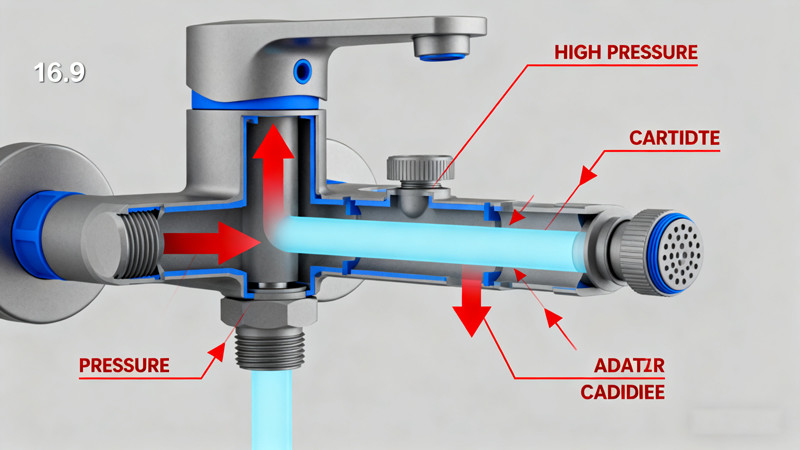
Water pressure is the force that pushes water through your plumbing system and out of your faucet. It’s typically measured in pounds per square inch (psi). In most residential homes, ideal water pressure ranges between 40 and 60 psi. Anything below 30 psi is considered low pressure, while anything above 80 psi can be excessive and potentially damaging. This pressure comes from your municipal water supply or, in rural areas, from a private well system that uses a pump to deliver water.
Think of water pressure as the “energy” behind the flow. The higher the pressure, the faster and stronger the stream of water from your faucet — but that doesn’t necessarily mean it’s better. The right balance is key to ensuring comfortable use and long-term plumbing health.
2. How Water Pressure Affects Faucet Flow Rate
The flow rate of a faucet, measured in gallons per minute (GPM), depends heavily on the available water pressure. Modern kitchen and bathroom faucets are designed with flow restrictors or aerators to limit water use for efficiency. However, if your home’s water pressure is too low, even these efficient faucets can deliver an unsatisfactory flow. Conversely, excessively high pressure can overwhelm these components, causing splashing and uneven flow.
For example, a standard kitchen faucet is designed to deliver around 1.5 to 2.2 GPM at normal pressure (typically 60 psi). If your water pressure drops to 30 psi, the flow might be reduced by nearly half. This makes tasks like washing dishes or filling pots take much longer. On the other hand, pressure above 80 psi can cause water to shoot out too forcefully, wasting water and straining internal faucet components.
3. Signs of Low Water Pressure
Low water pressure is one of the most common complaints homeowners face, and it can make your faucet feel sluggish. Here are some telltale signs:
- Weak or slow water flow, even when the faucet is fully open
- Uneven spray patterns or difficulty rinsing soap and debris
- Reduced flow in multiple fixtures (indicating a system-wide issue)
- Intermittent flow or sputtering caused by trapped air
Common causes include clogged aerators, sediment buildup in pipes, partially closed shut-off valves, or pressure loss from your municipal supply. If the issue affects only one faucet, it’s likely localized — perhaps debris blocking the aerator or a faulty cartridge. But if the entire house experiences low pressure, you may need to check your main valve or contact your water supplier.
4. Signs of High Water Pressure
While low pressure is inconvenient, high pressure can be just as problematic. Excessive pressure can cause:
- Loud banging or “water hammer” noises when turning off faucets
- Premature wear on faucet seals and valves
- Leaking connections or dripping faucets
- Shortened appliance lifespan (especially in dishwashers or washing machines)
High water pressure often goes unnoticed until damage occurs. If you suspect this problem, you can measure your home’s pressure with an inexpensive gauge that attaches to an outdoor hose bib. If readings exceed 80 psi, a plumber can install a pressure reducing valve (PRV) to bring levels back to a safe range.
5. The Role of Faucet Design in Managing Pressure
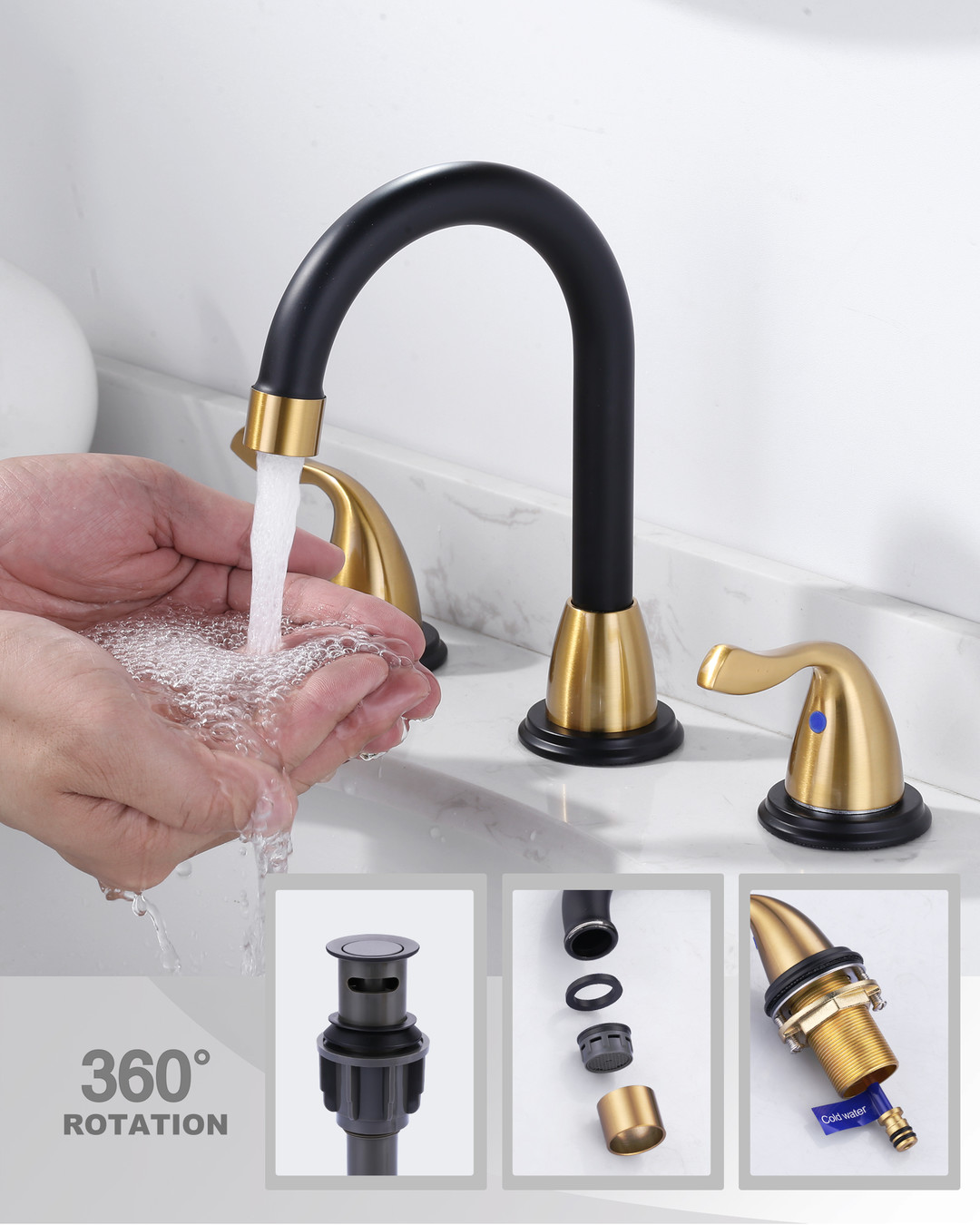
Faucets are engineered to operate optimally within a specific pressure range. Inside the faucet, components such as aerators, cartridges, and flow restrictors help regulate and shape the stream of water. When pressure is ideal, the aerator blends air with water to create a smooth, splash-free flow. However, with low pressure, the aerator might not mix air properly, resulting in a weak, uneven stream. In contrast, high pressure can overpower these parts, causing splashing or noise.
Modern faucets, especially touchless and pull-down models, are more sensitive to pressure variations. For example, motion-sensor faucets rely on consistent pressure for responsive activation and steady flow. If your home’s pressure fluctuates, these faucets may fail to operate correctly or shut off unexpectedly.
6. How Water Pressure Impacts Efficiency and Conservation
Water pressure doesn’t just affect convenience — it also impacts your home’s water efficiency. Low pressure can lead to longer run times, meaning you use more water to complete basic tasks. High pressure, meanwhile, wastes water by producing excessive flow. Studies show that water pressure above 80 psi can waste thousands of gallons annually through leaks and splashing.
For those striving to conserve water, maintaining moderate pressure is crucial. Pairing a pressure-regulated faucet with a flow-restricted aerator ensures consistent performance and reduced waste, regardless of fluctuations in the main supply.
7. Testing and Adjusting Your Water Pressure
Testing your water pressure is simple and inexpensive. Attach a pressure gauge to an outdoor spigot or laundry connection and turn the water on fully. A reading between 40 and 60 psi indicates ideal pressure. Anything below 35 psi may cause weak flow, while anything above 80 psi risks damage.
If your water pressure is too low, check for clogged filters, aerators, or partially closed valves. You can also install a booster pump to increase household pressure. For high-pressure issues, installing or adjusting a PRV helps regulate flow safely. These adjustments not only protect your faucets but also extend the lifespan of your plumbing system.
8. When to Call a Professional
While minor pressure issues can often be fixed at home, persistent or sudden changes may indicate deeper plumbing problems. Corroded pipes, hidden leaks, or municipal supply fluctuations require professional inspection. A licensed plumber can measure dynamic pressure (the pressure during flow) and static pressure (when no water is running) to pinpoint the root cause. Addressing pressure imbalances early prevents long-term wear on faucets, pipes, and appliances.
Conclusion
Water pressure plays a vital role in how your faucet performs — influencing everything from flow rate and efficiency to longevity and comfort. Too little pressure leads to weak flow and frustration, while too much causes leaks, noise, and wasted water. The goal is balance: maintaining consistent, moderate pressure that allows your faucet to operate smoothly and efficiently. By understanding the connection between water pressure and faucet flow, you can make informed decisions, maintain your plumbing system properly, and enjoy reliable performance every time you turn on the tap.
您好!请登录