 Kes Faucets








The Ultimate Handheld Shower Head Kit with Valve Buying Guide for 2026
浏览次数:150 分类:Product
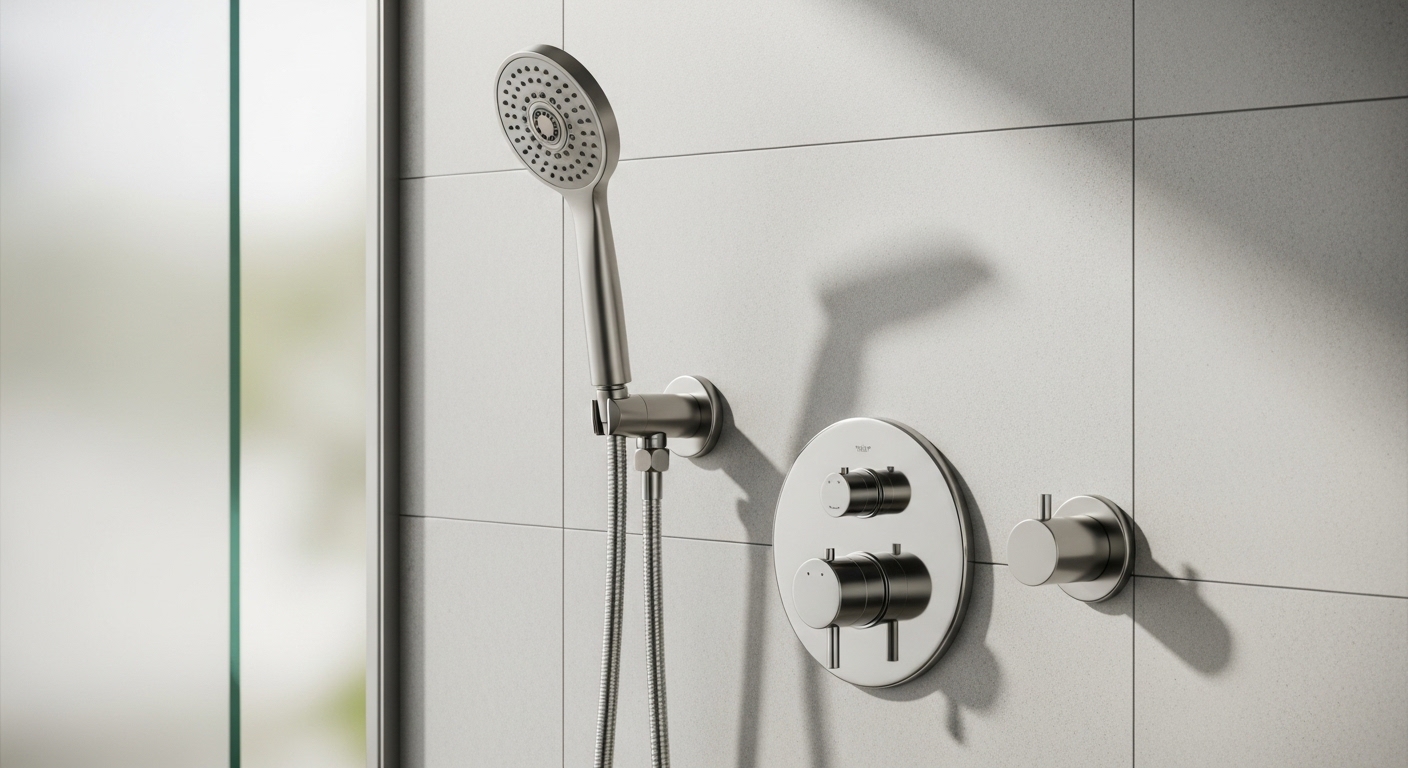
If you have been searching for a handheld shower head kit with valve, you already know that a great shower experience is not just about the spray head. It is the synergy between a powerful wand, a kink-resistant hose, an ergonomic holder, and a properly rated mixing valve that controls temperature and pressure. At KES, we have spent more than fifteen years engineering bath fixtures that pass IAPMO, cUPC, and ASME A112.18.1 testing, and the lessons baked into our handheld kits are the same ones we will share with you here. Whether you are remodeling a primary bath, retrofitting a rental unit, or upgrading a tub-shower combo, this guide will walk you through every spec that matters before you check out.
What Is a Handheld Shower Head Kit with Valve and Why Buy the Bundle?
A handheld shower head kit with valve is a complete shower system that ships with every component required to deliver water from the wall to your hand. Instead of sourcing a sprayer here, a hose there, and hiring a plumber to track down a compatible rough-in valve, you receive one matched set: the handheld wand, a flexible hose (usually 59 to 79 inches), a wall holder or adjustable slide bar, a supply elbow, the trim plate, the handle, and the mixing valve cartridge itself. Many premium kits also include a diverter so you can switch between a fixed showerhead and the handheld wand.
The bundled approach matters for three reasons. First, every part is engineered to the same flow rate, so you will not accidentally pair a 2.5 GPM wand with a low-flow 1.8 GPM valve and lose pressure. Second, finishes match perfectly — chrome with chrome, matte black with matte black, brushed gold with brushed gold. Third, the warranty is unified. If anything fails within the coverage window, you call one manufacturer, not three.
Who Should Buy a Handheld Shower Kit with a Valve?
- Homeowners doing a full bath remodel who are opening the wall anyway and want a long-term, single-SKU solution.
- Landlords and property managers standardizing fixtures across multiple units to simplify maintenance.
- Aging-in-place renovators installing ADA-friendly slide bars and handheld wands for seated showering.
- Parents who bathe small children or pets and need a detachable sprayer for rinsing.
- Builders and contractors who quote tighter when they can spec one part number instead of seven.
The Anatomy of a Handheld Shower Head Kit with Valve
Before you compare brands, it helps to understand what each piece does. A typical KES kit includes the following components, and knowing the role of each will help you evaluate any handheld shower head kit with valve you are considering.
The Handheld Wand
The wand is what you actually hold. Look for a multi-function spray face — three to seven settings is common — with rub-clean silicone nozzles that resist hard-water buildup. Weight matters: a wand between 8 and 14 ounces feels substantial without straining your wrist. Brass internals beat plastic for longevity, although ABS chrome-plated wands have come a long way and reduce cost considerably.
The Hose
Stainless-steel double-interlock hoses are the industry standard for durability. A 60-inch hose works for most adults; if your shower is taller than average or you frequently bathe pets or kids, consider 72 to 79 inches. Anti-kink construction and an internal EPDM tube keep flow steady and prevent the rubbery taste some cheap hoses impart.
The Holder or Slide Bar
You will see two mounting styles. A fixed wall bracket is simple and inexpensive. A slide bar — typically 24 or 30 inches long — lets every member of the household adjust the wand height. Slide bars are the better choice for multigenerational homes and ADA-compliant remodels.
The Mixing Valve
This is the brain of the kit and the part most buyers overlook. There are three main valve types you will encounter, and choosing the right one is critical to safe, comfortable showering.
Pressure-Balanced vs. Thermostatic vs. Diverter Valves
Picking the right valve is the single biggest decision in your kit. The wrong valve can scald a child, cause an elderly user to slip, or simply leave you adjusting the temperature every thirty seconds. Here is how the three main valve technologies compare.
| Valve Type | How It Works | Best For | Typical Price Range | Scald Protection |
|---|---|---|---|---|
| Pressure-Balanced | A spool or diaphragm reacts to pressure drops (toilet flush, dishwasher) and maintains the hot/cold ratio | Standard family bathrooms, code-compliant new construction | $60 – $180 | Good — meets ASSE 1016 |
| Thermostatic | A wax or bi-metallic element senses outlet temperature and adjusts the mix to a preset target | Luxury baths, multi-outlet showers, homes with elderly or young users | $180 – $450 | Excellent — typically locks at 120°F |
| Diverter Only (Manual) | Routes water between a fixed head and the handheld; no temperature regulation | Pairing with an existing pressure-balanced or thermostatic valve | $25 – $90 | None on its own |
| Two-Function Combo | Combines a pressure-balanced cartridge with a 2-way diverter in one trim | Tub-shower retrofits where you want both a tub spout and handheld | $120 – $260 | Good — meets ASSE 1016 |
For most American homes built after 1997, code requires either a pressure-balanced or thermostatic valve in any tub or shower. A diverter-only valve is legal only when installed downstream of a code-compliant mixing valve. If you are unsure whether your existing rough-in matches the kit you are buying, our guide on how to check faucet compatibility before buying walks you through measuring rough-in depth and inlet thread size.
Spray Patterns: What the Settings Actually Mean
Manufacturers love to advertise “5-function” or “7-function” wands, but the marketing names blur together. Here is what you are really getting on most kits.
- Rain or Full Spray — All nozzles open, gentle and wide. Best for everyday showering and shampoo rinsing.
- Massage or Pulse — Outer ring of nozzles alternates pressure for a deep-tissue feel. Great after workouts.
- Mist — Atomized fine spray, low water consumption, popular in spa-style designs.
- Jet or Power — Center nozzles fire a concentrated stream for rinsing pets, tile, or the tub itself.
- Eco or Trickle — Reduced flow for shaving legs or pausing without retouching the valve.
- Rain + Massage Combo — Hybrid setting on premium wands; full coverage with a pulsing accent.
- Bubble or Champagne — Air is injected into the stream for a softer feel; less common.
If your home suffers from low or fluctuating pressure, fewer functions can actually be better. Each setting subdivides flow, and a 7-function wand on a 1.5 GPM system may feel weak across the board. Our explainer on how water pressure affects faucet flow covers the math, but the practical takeaway is to match your wand’s complexity to your incoming PSI.
Finishes: Matching Your Bathroom Without Regretting It Later
Finish is the most visible decision you will make, and it is the one buyers most often regret two years later. Here is how the popular options age in a real bathroom environment.
Polished Chrome
The workhorse finish. Affordable, easy to clean, hides water spots well, and complements virtually any tile. The downside is that it can look generic in a high-design space.
Brushed Nickel
Warmer than chrome with a soft, brushed grain. Hides fingerprints and minor water spotting. Pairs beautifully with warm whites, cream tile, and natural wood vanities.
Matte Black
The breakout finish of the last five years. Dramatic against white subway tile and a hallmark of modern industrial design. It does require gentle maintenance — never use abrasive cleaners — but the look is unmatched. We have a complete care routine in our article on keeping your matte black faucet looking new.
Brushed Gold and Champagne Bronze
Warm metallics are having a moment. They look stunning against marble, dark green tile, and warm wood. Just confirm you are buying a PVD (physical vapor deposition) coated finish, not electroplated, for long-term durability.
Oil-Rubbed Bronze
A traditional, deeply pigmented brown-black finish. Some designers are calling it dated, but it remains a strong choice for craftsman, Mediterranean, and rustic homes. If you are weighing this choice, see whether oil rubbed bronze finish is out of style in 2026.
Flow Rate, GPM, and What WaterSense Means for Your Shower
Federal law caps showerheads at 2.5 gallons per minute (GPM) at 80 PSI. WaterSense-certified models cap at 2.0 GPM. California, Colorado, and Washington enforce stricter local limits, with some jurisdictions requiring 1.8 GPM. Before buying any handheld shower head kit with valve, confirm three numbers:
- Wand flow rate — printed on the box and on the wand itself.
- Valve flow rate — sometimes a bottleneck if the valve is rated lower than the wand.
- Your home’s static pressure — measure with a $12 gauge on an outdoor hose bib. Aim for 45 to 65 PSI.
A 1.8 GPM wand on a well-pressurized 60 PSI line still feels powerful, especially with an air-injection design. A 2.5 GPM wand on a weak 35 PSI line will feel like a trickle no matter how premium the kit. Pressure first, flow second.
Installation: What to Expect From a Pro and What You Can DIY
Replacing only the trim and wand on an existing rough-in is a confident DIYer’s afternoon. Installing a new valve in a stud bay means opening drywall or tile and is usually best handled by a licensed plumber unless you have done it before.
Trim-Only Replacement (DIY-Friendly)
- Shut off water at the main and bleed the line by opening the existing valve.
- Unscrew the existing trim handle, escutcheon plate, and showerhead arm.
- Install the new trim plate over the existing cartridge if compatible, or swap the cartridge if the new kit includes one for your rough-in body.
- Thread the new shower arm into the wall fitting, using PTFE tape on the threads.
- Attach the diverter, hose, and handheld wand. Hand-tighten and verify O-rings are seated.
- Restore water and run for two minutes on each spray setting, checking for leaks.
Full Valve Replacement (Plumber Recommended)
This is more involved and may include sweating copper, crimping PEX, or installing push-to-connect fittings. You will also need access from behind the wall or via a tile cutout. If you have to remove a tub spout to access plumbing, our walkthrough on how to replace an old tub faucet covers the demolition and reassembly steps in detail.
Troubleshooting Common Issues After Installation
Low Pressure from the Wand
First, remove the flow restrictor only if local code permits — never disable WaterSense compliance if you are in a regulated jurisdiction. Next, check the inlet screen on the wand for debris, especially after a remodel where pipe shavings may have entered the line. Finally, inspect the diverter; a stuck diverter can starve the handheld outlet.
Whistling or Vibrating Hose
Usually a sign of an over-aggressive flow restrictor or a partially closed shutoff valve. Our guide on how to quiet a noisy faucet applies to shower trim too — most fixes are the same.
Hot Water Runs Out Quickly
A thermostatic valve adjusts to deliver a constant temperature, which means it draws more hot water when incoming hot supply cools. If your tank is undersized, you may need to upsize the heater or switch to a tankless system. The kit is not the culprit.
Leak at the Hose-to-Wand Connection
Almost always a missing or pinched washer. Unscrew, inspect, replace the rubber or silicone gasket, and reseat. Do not over-tighten — finger-tight plus a quarter turn is the rule.
KES Handheld Shower Kit Lineup: How to Pick the Right Model
| Kit Series | Valve Type | Spray Functions | Finish Options | Hose Length | Warranty |
|---|---|---|---|---|---|
| KES Essential Series | Pressure-Balanced | 3 | Chrome, Brushed Nickel | 60 inches | 5-Year Limited |
| KES Comfort Series | Pressure-Balanced + 2-Way Diverter | 5 | Chrome, Brushed Nickel, Matte Black | 70 inches | 10-Year Limited |
| KES Spa Series | Thermostatic | 7 | Chrome, Brushed Nickel, Matte Black, Brushed Gold | 71 inches | Lifetime Limited |
| KES ADA Slide Bar Series | Pressure-Balanced | 5 | Chrome, Brushed Nickel | 72 inches | 10-Year Limited |
Each KES kit is independently tested to NSF/ANSI 61, ASME A112.18.1, and CSA B125.1 standards. Brass cartridges are cycle-tested to a minimum of 500,000 open-close events — roughly 60 years of typical residential use. All decorative finishes pass 200-hour salt-spray corrosion testing per ASTM B117.
Care, Cleaning, and Long-Term Maintenance
A well-maintained handheld kit will easily outlast a decade. Here is the routine our engineers recommend.
- Weekly: Wipe the wand and trim with a damp microfiber cloth. Avoid ammonia, bleach, and citrus-based cleaners on PVD or matte finishes.
- Monthly: Rub the silicone nozzles with your thumb to dislodge mineral buildup. If you live in a hard-water region, this is non-negotiable.
- Quarterly: Soak the wand face in a 50/50 white vinegar and warm water solution for 30 minutes. Rinse thoroughly. Avoid soaking metal trim parts.
- Annually: Inspect the hose for cracks or kinking, the washers for compression, and the cartridge for grit. Exercise the diverter several times to keep internals free.
If your municipal water is heavy on calcium and magnesium, consider a whole-home softener. Our deep dive on hard water vs. soft water explains how mineral content shortens the life of every fixture in your home, not just your shower.
Common Buying Mistakes to Avoid
- Buying the kit before checking the rough-in. Different valve bodies are not cross-compatible across brands. Measure first.
- Overlooking the warranty fine print. Some brands void coverage if you remove the flow restrictor or use a third-party hose.
- Choosing finish for the photo, not the bathroom. Take the swatch home and view it under your actual bathroom lighting.
- Skipping the slide bar. It costs $30 to $80 more and dramatically increases everyday usability.
- Mixing kit components from different finishes. Even within the same color family, two manufacturers’ “brushed nickel” rarely match.
FAQ
Can I install a handheld shower head kit with valve on my existing tub-shower without opening the wall?
If your existing valve is a code-compliant pressure-balanced or thermostatic model and the kit’s trim is rated for your valve series, yes — you can swap just the trim, arm, and add a handheld diverter. If you need a whole new valve body, the wall must be opened from the front or rear for access.
What hose length should I choose?
A 60-inch hose suits most standard 80-inch shower enclosures. Choose 70 to 79 inches if you have a tall shower, an alcove tub-shower combo, or if you frequently rinse pets or small children who require greater reach.
Will a low-flow 1.8 GPM kit still feel powerful?
Yes, if the wand uses air injection or pressure-amplifying nozzle geometry and your home pressure is at least 45 PSI. Many WaterSense-certified handheld kits actually outperform older 2.5 GPM heads because the engineering has caught up with the regulation.
Do I need a plumber to install a thermostatic valve?
For first-time installations into existing walls, yes — a licensed plumber is strongly recommended, both for code compliance and for warranty validity. If you are replacing only the trim on an existing thermostatic rough-in from the same manufacturer, a confident DIYer can usually complete the swap in an hour.
Are KES handheld shower kits covered by a warranty?
Yes. The Essential Series carries a 5-year limited warranty, the Comfort and ADA Slide Bar Series are covered for 10 years, and the Spa Series is backed by a lifetime limited warranty on the valve cartridge and finish. Full warranty terms are available on the product page at www.kesfaucet.com.
Can I use a handheld shower head kit with a tankless water heater?
Absolutely, and they often pair beautifully because the constant flow demand keeps a tankless heater in its efficient operating range. Confirm that your kit’s minimum activation flow is at or above your tankless unit’s minimum firing rate — usually 0.5 GPM is more than sufficient.
What is the difference between a handheld shower kit and a complete shower system?
A handheld shower kit centers on the wand, hose, holder, and a single mixing valve. A complete shower system typically adds a fixed rain head, additional body sprays, and a multi-port diverter. Kits are a better fit for everyday family bathrooms; complete systems suit larger primary baths and spa-style retreats.
Final Thoughts: Build the Shower You Actually Enjoy
A handheld shower head kit with valve is not just a plumbing purchase — it is a daily-use product you will interact with two to three times a day for the next ten to twenty years. Spend an extra hour comparing valve types, measuring your rough-in, and confirming pressure before you buy, and you will save yourself a return shipment and a weekend of re-tiling. KES kits are engineered, tested, and warrantied to make that decade-long relationship a comfortable one.
About the author: This guide was written by the KES product editorial team in collaboration with our licensed master plumber and product engineers. KES has manufactured residential and commercial bath fixtures for over 15 years, with products sold in more than 40 countries and tested against IAPMO, cUPC, ASME, NSF, and CSA standards. For product questions, visit www.kesfaucet.com or contact our customer support team for personalized recommendations.
您好!请登录