 Kes Faucets








Why Does My Pfister Shower Head Have Low Pressure (And How Do I Fix It)?
浏览次数:141 分类:Repair
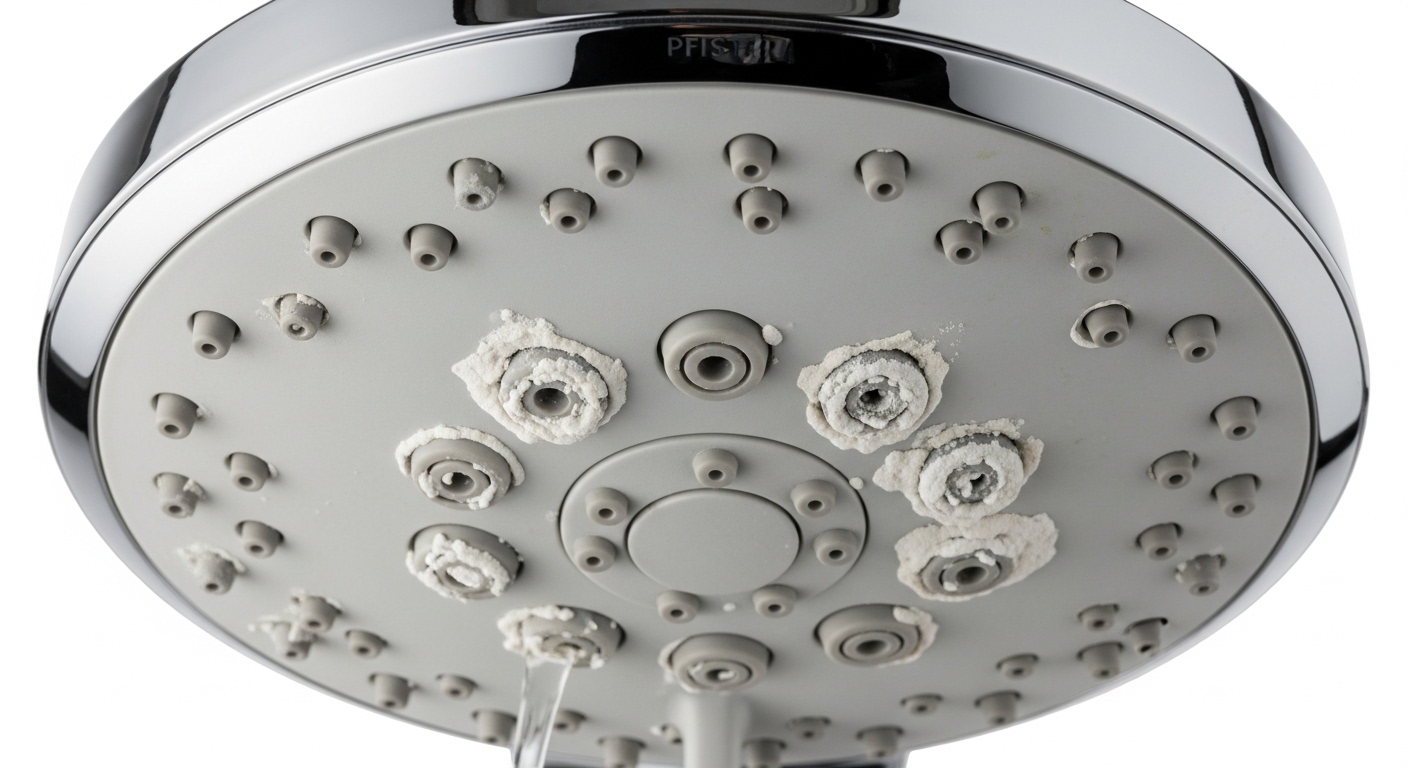
If you’re dealing with a Pfister shower head low pressure problem, the good news is that it’s rarely something expensive or structural. In the vast majority of cases, the water pressure feeding your bathroom is perfectly fine — the weak, dribbling spray is caused by mineral buildup (limescale), a partially blocked flow restrictor, or a clogged inlet screen inside the shower head itself. These are all things you can diagnose and fix yourself in an afternoon with vinegar, a toothbrush, and maybe a pair of pliers.
Below I’ll walk you through exactly why it happens, how to figure out which cause is yours, and the step-by-step fixes — starting with the easiest, free ones and only moving to part replacement if needed.
What actually causes low pressure in a Pfister shower head?
Low pressure in a Pfister shower head comes down to one of five things, and all but one are inside the shower head or arm — not in your home’s plumbing. The culprit is usually mineral scale narrowing the water path somewhere between the shower arm and the spray face.
Here are the five usual suspects, ranked by how common they are:
- Clogged spray nozzles (most common). Pfister heads use soft rubber nozzles you can rub clean. Hard water leaves limescale on and inside them, choking the spray hole by hole.
- A mineral-blocked flow restrictor. Every shower head sold in the U.S. has a flow restrictor to meet the federal 2.5 GPM (gallons per minute) maximum. When scale builds up in that small disc, flow drops far below 2.5 GPM and feels weak.
- A clogged inlet filter screen. A small mesh screen at the base of the head catches debris, pipe sediment, and Teflon-tape scraps. It clogs over time and strangles flow before the water even reaches the nozzles.
- Buildup in the shower arm or behind a diverter. Less common, but a tub-shower diverter that won’t fully switch over will rob the head of pressure.
- Genuinely low household water pressure. The rarest cause for a single fixture — but worth ruling out, especially if multiple faucets are weak.
The trick is to test in order, from the cheapest fix to the most involved, so you don’t replace parts you don’t need to.
How do I tell if it’s the shower head or my home’s water pressure?
Run a quick two-minute test: unscrew the shower head from the arm and turn the water on with the head removed. If water gushes powerfully out of the bare shower arm, your household pressure is fine and the problem is 100% inside the shower head. If the bare arm also dribbles, the issue is upstream in your plumbing.
This single test saves you hours. Most people assume “low pressure” means a whole-house problem and start worrying about pressure regulators or the municipal supply, when really one clogged head is the entire story.
If the bare arm flows strong (the usual result), move straight to cleaning the head below. If the bare arm is also weak, the cause is broader — a partially closed main shutoff, a failing pressure-reducing valve, or sediment in the line. That’s a different rabbit hole; our guide on how water pressure affects faucet flow explains how to measure your home’s PSI and what’s normal (most homes should sit between 45 and 80 PSI).
How do I fix a clogged Pfister shower head with vinegar?
Soak the shower head in plain white vinegar for 30 to 60 minutes to dissolve the limescale, then scrub the nozzles and rinse. White vinegar is mildly acidic, dissolves calcium carbonate (limescale) without harming chrome or brushed-nickel finishes, and costs about two dollars. This is the single most effective fix for a Pfister shower head low pressure problem.
You’ve got two ways to do it:
- The bag method (no tools). Fill a sturdy sandwich or freezer bag halfway with white vinegar, slip it over the shower head so the spray face is fully submerged, and secure it with a rubber band or zip tie. Leave it 30–60 minutes (overnight for heavy buildup), then remove and run hot water through for a minute.
- The soak method (deeper clean). Unscrew the head, drop it in a bowl of warm vinegar, and let it sit. This lets the vinegar reach the internal flow restrictor and filter screen, not just the face.
After soaking, do these three things to finish the job:
- Rub the rubber nozzles. Press and roll your thumb or a toothbrush across the spray face — Pfister’s soft nozzles are designed to flex so loosened scale pops right out.
- Brush the spray face. An old toothbrush dipped in vinegar clears the gunk between nozzles.
- Backflush. Hold the head under the tap so water runs backward through it, flushing loosened debris out the inlet instead of the nozzles.
One warning: if your Pfister head has a special finish — matte black, oil-rubbed bronze, or champagne bronze — don’t leave it in vinegar longer than about 30 minutes, and rinse thoroughly. Prolonged acid exposure can dull delicate coatings. The same care applies to all your fixtures; we cover finish-safe cleaning in our guide on keeping a matte black faucet looking new.
Should I remove the flow restrictor to get more pressure?
Cleaning the flow restrictor is smart; removing it entirely is usually a mistake. The flow restrictor is the small plastic disc (often colored) seated inside the shower head’s inlet that caps flow at the federally mandated 2.5 GPM. When it clogs with scale, cleaning it restores normal flow — and that’s all most people actually need.
Pulling the restrictor out completely will boost pressure, but it comes with real trade-offs you should weigh:
| Option | Effect on pressure | Trade-offs | Best for |
|---|---|---|---|
| Clean the restrictor | Restores flow to the designed 2.5 GPM | None — keeps warranty and efficiency intact | Almost everyone |
| Remove the restrictor | Noticeably stronger spray, often 3.5+ GPM | Higher water + heating bills; may void warranty; illegal to permanently remove in some states (e.g. CA, CO) | Homes with chronically low PSI only |
| Replace the whole head | Fresh nozzles and restrictor, full pressure | Cost of a new fixture | Old or cracked heads beyond cleaning |
To access the restrictor, unscrew the head from the arm, then use needle-nose pliers to gently lift out the filter screen and the colored disc behind it. Clean both, then reinstall. My advice: clean it and put it back. If your pressure is still weak after a thorough clean and your household PSI tested fine, then consider removal — but know your local water rules first.
How do I clean the filter screen and check the shower arm?
Pop out the small mesh filter screen at the shower head’s inlet, rinse it under a strong tap, and pick out any grit or Teflon-tape scraps with a toothpick. A clogged inlet screen is one of the most overlooked causes of low pressure because it sits hidden where the head meets the arm.
While the head is off, look inside the shower arm itself. Shine a phone flashlight into the threaded end — if you see scale, sediment, or rust flakes, run the water briefly (point it at the wall or hold a cup) to flush loose debris out before reattaching the head. Sediment from old galvanized pipes or a recent water-main repair commonly lands right here.
When you reattach the head, wrap the shower arm threads with two or three turns of fresh plumber’s (PTFE) tape to prevent leaks — but don’t over-wrap, since stray tape shreds are exactly what clog the screen in the first place. Hand-tighten, then give it a gentle quarter-turn with a cloth-wrapped wrench so you don’t scratch the finish.
What if my whole house has low pressure, not just the shower?
If cleaning the head changed nothing and your bare-arm test was also weak, the problem is in your home’s water supply, not the Pfister head. Check these in order: make sure the main shutoff valve is fully open, look for a stuck pressure-reducing valve (PRV) near where the line enters the house, and test for sediment buildup in the lines.
A few scenarios point to specific culprits:
- Only hot water is weak. Suspect the water heater’s shutoff valve or sediment in the tank — not the shower head.
- Pressure dropped suddenly across the house. A failing PRV or a partially closed main valve after recent plumbing work is likely. Our breakdown of why a faucet stops working suddenly walks through these triggers.
- It’s been slowly getting worse for years. Mineral scale is accumulating throughout the system, common in hard-water regions.
Outdoor fixtures losing pressure can share root causes with indoor ones too — frozen-then-cracked lines, sediment, and partially closed valves all show up there first; the same diagnostic logic in why outdoor faucets lose pressure applies indoors.
When should I just replace the Pfister shower head?
Replace the head when it’s cracked, the rubber nozzles are torn or permanently scaled, the internal threads are stripped, or you’ve cleaned everything thoroughly and pressure is still weak. A shower head is a consumable part — even good ones degrade after 8–10 years of hard-water use, and a replacement is inexpensive compared to the hassle of repeatedly de-scaling a worn-out one.
When you do shop for a replacement, look for these specs to avoid a repeat of the low-pressure problem:
- Pressure-compensating or “high-efficiency” nozzles that maintain a strong feel even at 1.8–2.0 GPM — great if your home PSI runs low.
- Easy-clean silicone nozzles you can wipe scale off in seconds.
- A WaterSense label, which is independently certified to deliver good spray force while saving water.
- An accessible filter screen and restrictor so future cleaning is a two-minute job.
If you’re upgrading to a handheld model while you’re at it, a unit with its own valve gives you more control over flow and angle — our handheld shower head kit with valve buying guide covers what to look for, and the mounting height guide helps you set it up right.
Author’s note & why you can trust this guide
This guide was written by the KES Faucet product team, drawing on years of hands-on testing of shower heads, mixing valves, and faucet cartridges in our own labs. At kesfaucet, we design and stress-test bathroom and kitchen fixtures against industry standards, including the 2.5 GPM federal flow limit and ASME A112.18.1 / NSF certification benchmarks that govern North American plumbing fixtures. Many of our shower heads ship with a limited lifetime warranty against defects in finish and function, and our recommendations here reflect the same troubleshooting steps our support team uses with real customers every day. We test for spray force, drip rate, and scale resistance so the advice you read is grounded in measured results, not guesswork.
FAQ
How long should I soak a Pfister shower head in vinegar?
Soak it 30 to 60 minutes for normal buildup, or overnight (up to 8 hours) for heavy limescale. Stick to the shorter end — about 30 minutes — for special finishes like matte black or oil-rubbed bronze, and always rinse thoroughly and run hot water through afterward to flush loosened debris.
Is it legal to remove the flow restrictor from my shower head?
Federally, shower heads must not exceed 2.5 GPM, and some states (including California and Colorado) set stricter limits and prohibit tampering with the restrictor. Removing it for personal use is widely done but can void your warranty and raise water and heating costs. Cleaning the restrictor rather than removing it is the recommended fix and keeps you compliant.
Why is only my shower head low on pressure but my sink is fine?
That almost always means the problem is isolated to the shower head — typically clogged nozzles, a blocked filter screen, or a scaled flow restrictor. Since your sink shares the same supply line and works fine, your household pressure is healthy, so focus your effort entirely on cleaning the shower head.
Can hard water permanently damage a Pfister shower head?
Yes, over time. Repeated mineral deposits can permanently scale the internal restrictor and stiffen or tear the rubber nozzles to the point where cleaning no longer restores flow. Regular vinegar soaks every few months prevent this; a whole-house water softener is the long-term fix in very hard-water areas.
Do I need a plumber to fix low shower pressure?
In most cases, no. Cleaning the nozzles, filter screen, and flow restrictor requires no plumbing skills and only basic household items. Call a plumber only if your bare-arm test showed weak flow (a supply-side issue), if you suspect a failing pressure-reducing valve, or if you find leaks behind the wall.
How often should I clean my shower head to prevent low pressure?
Clean it every 3 to 4 months in hard-water areas, or roughly twice a year with softer water. A quick monthly wipe of the rubber nozzles takes seconds and dramatically slows scale buildup, so you may never face a serious low-pressure problem in the first place.
您好!请登录